
Fuelling around
Bowen's responds to a serious global energy crisis by turning up the flippancy

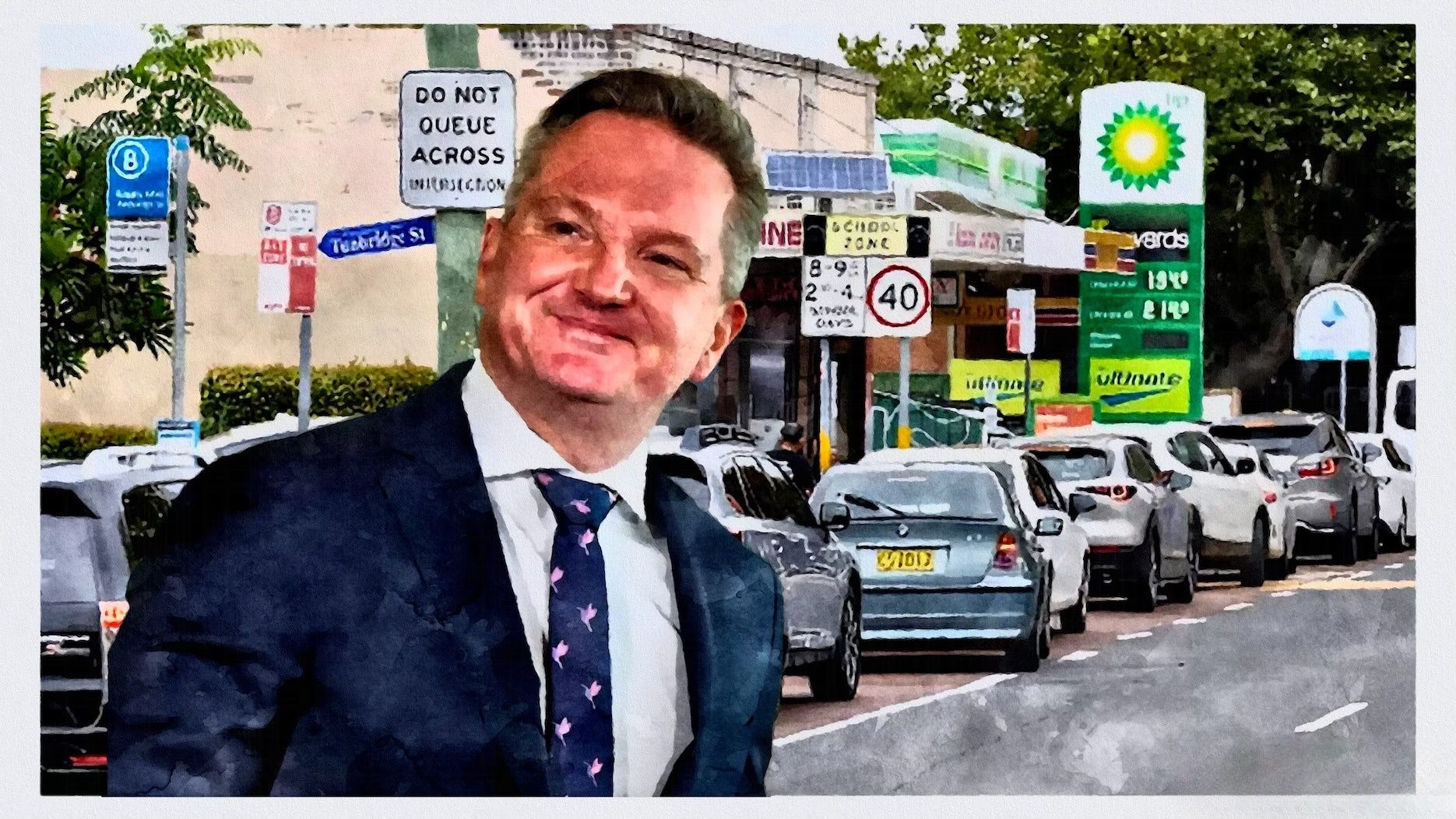
In 2021, the Morrison government was accused of writing a blank cheque to stop oil refining from disappearing offshore.
“There are a number of budget measures vying for top spot as the most brazen fossil fuel subsidy,” wrote the Australia Institute’s Audrey Quick, “but paying Australia’s oil refineries an undisclosed amount to stay open is a strong contender.”
With hindsight, the modest payments then energy minister Angus Taylor offered to keep the Lytton and Geelong refineries operating is arguably the most sensible intervention in Australia’s energy sector in recent years.
They may not produce enough fuel to satisfy the country’s needs, but they will at least ensure that if things turn bad, Australia’s air force will not be waiting for the next tanker from Shanghai before it can take to the skies.
With budgetary pressures mounting, and the strategic outlook deteriorating, it might be a sensible time to scrutinise some of the recent blank cheques government has written in the hope of phasing out carbon emissions by the middle of the century.
Last year, the government announced it would spend $2.3bn to subsidise the installation of household batteries, $300m more than the Morrison government budgeted for in its 2021 Fuel Security Package.
As recently as two weeks ago, Chris Bowen was claiming his Cheaper Home Batteries scheme had been a runaway success. More than 250,000 home batteries had been installed with a total capacity of 6.4 gigawatt hours.
It was “a remarkable achievement”, he claimed, “better for the planet and better for the pocket”.
Whose pockets was he referring to? Not taxpayer pockets – obviously – since, as we learned in the Mid-Year Economic Forecast, the cost of the scheme blew out to $7.2bn in less than six months, triple its initial budget. It prompted swift changes to the terms of the subsidies.
